Bygone Times Guide: How To Shop Vintage Furniture Like A Pro
- 3 months ago
- Antique Furniture, Ercol, G-Plan, Nathan, Vintage Furniture, Vintage Shopping
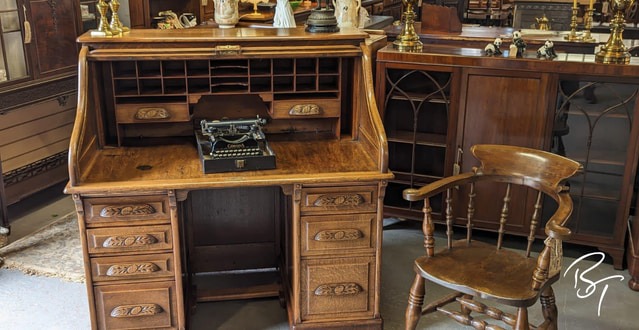
In the world of fast furniture, with tables, chairs, wardrobes, desks and more hopelessly headed for landfill within years, Bygone Times are encouraging local Lancastrians, tourists and traders alike to turn back to the experts.
Bygone Times see furniture a little bit differently – it’s not just a place to sit, eat or store belongings. We see antique and vintage furniture as a piece of history, with a story, soul and symbol of superior craftmanship.
For seasoned collectors and first-time buyers, here is how to navigate the long, fascinating aisles of Bygone Times to discover furniture and pieces that last a lifetime like a professional.
Mastering the Mid-Century Icons of Furniture (1950s-1970s)
In the busy, competitive and ever-evolving nature of furniture, mid-century modern remains one of the most desired and sought-after styles for their timeless sleek lines, functionality and enduring robustness.
Famous for functional aestheticism, Mid-Century Modern furniture includes a variety of minimalist, ergonomic dining tables, coffee tables, chairs, desks and wardrobes constructed of high-quality timbers like teak and afromosia.
G-Plan: The Gold Standard
The gold standard of the 1960s, G-Plan’s furniture is renowned for incredible sturdiness and style. Largely handcrafted in the UK, G-Plan manufacture sideboards, tables, comfortable chairs and sofas, synonymous with heritage and innovation, and a symbol of classic British design legacy.
Utilising heavy teak veneers over solid frames, G-Plan furniture offers a luxury look that’s highly resistant to warping for sustainability and offering long-lasting profitability for traders.
If you’re looking for G-Plan furniture, look out for the Fresco range with their iconic lip handles, or the Astro coffee tables. G-Plan furniture can be authenticated by the gold embossed stamp, or red and white paper tables either inside drawers or under tables.
Ercol: A Master of Solid Wood
There’s no two-ways about it – if you find an Ercol piece, you’ve found a masterpiece.
Famous for its exceptional craftsmanship, Ercol utilise premium, sustainable solid woods such as beech and elm to create timeless, mid-century designs that remain enduringly stylish and popular.
A celebrated British brand with a rich history, Ercol’s vintage furniture is highly collectible, with an increasing demand and value.
Ercol is famous for its wedge joints, where the leg meets the seat, a sign of incredible structural integrity.
Nathan: The Kings of Versatility
A renowned British brand, famous for high-quality, classic teak and oak furniture, Nathan produces iconic mid-century modern sideboards, modular units, bookcases, coffee tables and more.
When shopping for Nathan furniture, look out for the squares design on sideboards, modular designs and curved details.
Unearthing Period Gems – Georgian, Victorian and Edwardian
Bygone Times offer a plethora of period gems, providing a timeline of craftsmanship. When exploring Bygone Times and experiencing a journey back into time, visitors will notice a shift from mass production to hand-carved excellence with the use of rare, slow-grown hardwoods.
When looking to source vintage furniture defined by Georgian, Victorian and Edwardian periods, here are some key details to distinguish between periods.
Georgian Furniture (1714-1830) – An Age of Elegance
Considered to be a golden age of British furniture, Georgian pieces are often defined by their stately proportions and architectural symmetry.
Georgian furniture is primary constructed of mahogany and oak, providing a deep, rich glow. With claw and ball feel on tables and Cabriole legs with an S-shaped curve, look out for dovetail joints on drawers. As furniture was hand-cut in the Georgian era, Georgian furniture will often contain irregular or chunky elements.
Victorian Furniture (1837-1901) – Grandeur & Ornamentation
Symbolic of the contemporary power of the British Empire, Victorian furniture features a bold, heavy and unabashedly decorative style. Typically crafted from dark woods such as Rosewood and Walnut, Victorian furniture often features intricate carvings of flowers, leaves or fruit.
With balloon-back chairs, button-back upholstery and white marble tops on washstands or sideboards, Victorian furniture was the driving force behind a statement piece era, built to be the focal point of a room.
When seeking Victorian furniture, look for heavy pieces with ornate, swirling carvings on wardrobes and desks.
Edwardian Furniture (1901-1910) – Lightweight, Airy and Refined
Contrasting the heavy, dark furniture of the Victorian era, Edwardian furniture adds a sense of fresh air to the home, with a delicate, more “feminine” style. Crafted from lighter woods such as satinwood and fruitwoods, Edwardian furniture can be defined by paint motifs and intricate floral inlays, with tapered legs and thin lines of contrasting wood to create borders.
If you live in a flat, Edwardian furniture is considered an apartment-friendly antique, with a smaller, more streamlined profile that are compact and designed to fit in modern hallways and bedrooms without overwhelming spaces.
| Characteristic | Georgian | Victorian | Edwardian |
| Wood | Mahogany/Oak | Walnut/Rosewood | Satinwood/Mahogany |
| Style | Stately & Symmetrical | Heavyweight & Ornate | Light & Delicate |
| Important Features | Claw & Ball Feet | Carvings | Floral Inlays |
| Usage | Dining Rooms | Statement Pieces | Home Offices/Hallways |
Vintage Furniture Quality Checklist
The simple reason professional traders seek vintage is quality and reliability. Whether you’re acquiring a Victorian chest of drawers, Ercol chair or Nathan sideboard, you’re getting a piece of furniture that has already survived 50 to 150 years.
So to ensure you’re acquiring something authentic and worth your money, there are some key details to look for.
- Look at the joints: by pulling out a drawer, you will be able to see dovetail joints with interlocking teeth, then you know you’re buying a quality piece of craftsmanship.
- Feel the weight: Vintage furniture, usually crafted of oak, pine or mahogany is heavy, ensuring that dining tables and wardrobes are stable, and not mass produced from cheap, flimsy wood.
- Give it a wobble: The modern, mass-produced furniture today is constructed with fixings which loosen, whereas vintage furniture uses mortise and tenon joints, a wood-on-wood connection that stay tight for decades (or even centuries)
Why Shop Vintage Furniture at Bygone Times?
Based in the heart of the historic county of Lancashire, Bygone Times is a leading UK antiques centre, offering a forest of vintage tables, chairs, wardrobes, desks and furniture pieces.
With over 500 independent stallholders, small local businesses and traders, Bygone Times is the home to a variety of vintage furniture dealers, and allows shoppers to feel the wood, test the drawers and experience the patina in person.
We have recently extended our Bygone 6 area, which is the right location for you if you’re seeking vintage furniture.
Visit Bygone Times in Lancashire for a curated vintage shopping experience!